Let’s face it: love, when you feel “ugly,” can feel like showing up at a costume party after Halloween—all the treats seem gone and you’re left wondering if you ever belonged at the party to begin with. But as the stories of real people show, the struggle to find connection when your looks set you outside the norm digs far deeper than any fairy tale ever admits.
Behind the Mirror: The Isolation of Being ‘Unattractive’
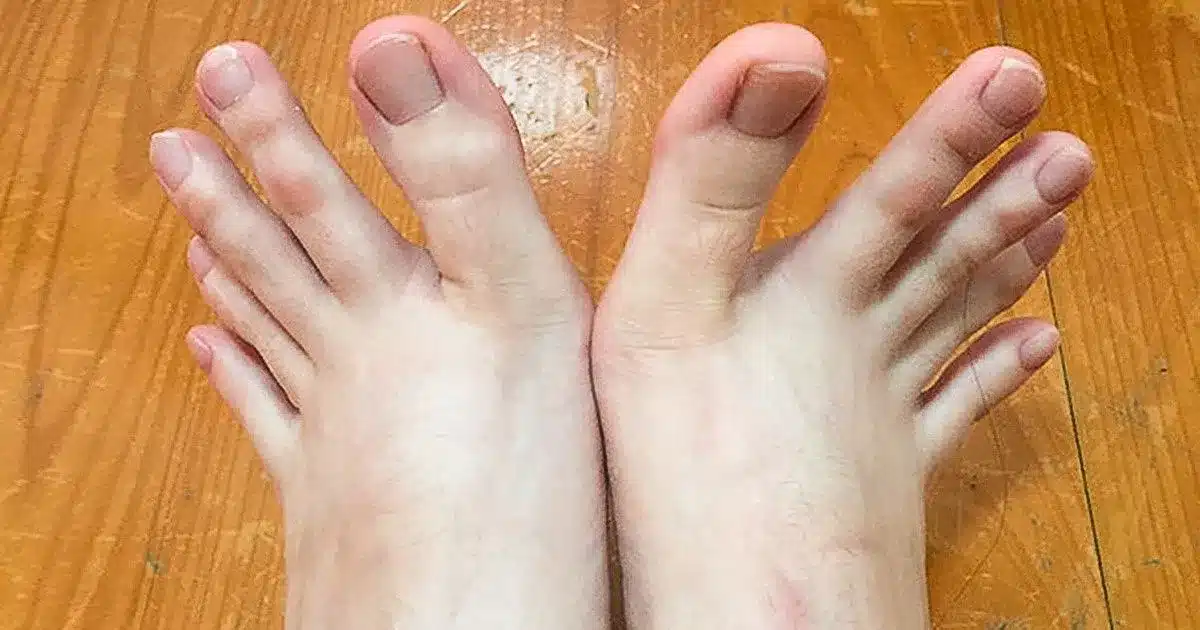
One self-described “average twenty-six-year-old man,” who refers to himself as “incredibly ugly,” throws open the doors to a club so many feel stuck outside. Born with a rare blood disorder that led to physical deformities—one side of his body atrophied, visible joint abnormalities, compounded by extra weight—he illustrates a reality many never see in the rom-coms: his looks cannot be “fixed” by protein shakes or therapy bands. He’s not mysteriously intriguing-ugly like Hollywood’s favorite oddballs. He describes himself simply as a “broken man.”
He has fulfilling work, hobbies, supportive friends, and even understanding employers when health interrupts his routine. But romance? That’s the area left frozen, “out in the cold.” He asks, should he close off the desire to find “that type of love,” channeling energy into things that ‘work’? Or should he keep going, even though his appearance makes online dating a disaster (“absolute no-go”), and in-person, no one considers him a romantic option?
Where Fairy Tales Crash Into Reality
Both in movies and life, the supposed “solution” for ugly characters is cosmetic: eventually, they’re made beautiful, or their ‘ugliness’ becomes a punchline (and let’s be honest, “Ugly Betty” was never actually ugly). Real life holds no such shiny transformation. The advice that “personality matters more than physicality” rings hollow when there are plenty of “decent human beings” who also happen to look conventionally attractive. If only we all could charm like the Beast and turn into princes at will.
But some fairy tales point to a kernel of truth. In “Beauty and the Beast,” as told by Jeanne-Marie Le Prince de Beaumont, Belle loves the Beast while he is still a beast. She sees his intelligence, his grace, his vulnerability—his monstrosity wasn’t erased but transformed by being loved. Still, it’s not as simple as loving yourself and expecting the world to follow suit. One woman, criticized for her appearance since childhood, shared that she found love not by pretending to have confidence, but by knowing honestly what she could offer and waiting for “that one-in-a-million guy.” Others find that even great self-respect may not guarantee love, but it gives life meaning and connection that can catch someone’s eye—if unexpectedly.
The Real Struggle: Openness Versus Exhaustion
What do you do, then, when rejection is relentless? When putting yourself out there feels like hitting your head against a wall marked “not this way”? Many in this discussion admit to exhaustion. One overweight woman became expert in isolation; another man, successful in every other domain, felt entirely left out of romance. The crushing effect isn’t just about not being chosen; it’s about wondering if the universe is sending you a message that you are fundamentally unlovable, left out of an experience life itself seems to promise everyone else.
- Several suggest niche matchmaking—dating sites for those with medical conditions, or “Lonelyhearts Club” pen pals who grow to love each other’s minds before seeing a face.
- Some propose taking control by making unique looks an asset: modeling for “real & specialty” faces, or just embracing what is rare about their bodies.
- Others remind us that “confidence is attractive,” but warn that it isn’t a magical solution in a “racist, sexist, homophobic” world that also hates fat people. Reality bites—sometimes hard.
There’s hope, too: stories circulate of people with burns, with disfigurements, with genetic illnesses who have found love—sometimes unexpectedly, sometimes later in life. Still others, after years of desert-like loneliness, finally encounter a partner, often by remaining open and authentic, not settling just for anyone but waiting for the one whom they feel a connection with.
No Magic Cure, But Also No Permission To Quit
The consensus is not that everyone who tries will find love, but that giving up guarantees its absence. Putting yourself forward, despite exhaustion, is not a promise of fairy-tale endings. But the alternative—closing yourself to the possibility of love—is the only sure way to miss out. Perhaps the advice is less “believe you’re beautiful and the world will, too,” and more “be the person you respect, and let your real self be seen, flaws and all.” As one participant wrote, “The hardest battle you’ll ever fight is with yourself.”
Maybe the real transformation is not turning into a prince, but allowing yourself to hope, and trying, again and again—no matter what story the mirror tells you.