Ever stared at a pile of onions and thought, “That looks like a decent weather forecast”? No? Well, welcome to the charmingly peculiar world of old-school weather prediction, where onions, bugs, and even your backyard squirrels team up to reveal the secrets of the coming seasons.
Onions, Family Tradition, and Centuries of Prognostication
In Urbania—a real town in central Italy with a name that sounds straight from a bedtime story—weather miracles begin with a humble yellow onion. Each year, local schoolteacher Emanuela Forlini slices one into quarters, then divides it into 12 neat wedges, one for every month. The wedges, carefully lined up on her kitchen cutting board facing east, enjoy a sprinkle of salt before a long winter’s nap overnight (January 24th, if you like precision).
Come morning, the onion has transformed—well, its texture has, thanks to that salt! Emanuela studies the changes and interprets the weather for the whole year. Sound unusual? She’s been at this for nearly thirty years, after her father and grandfather before her. This ritual has become a cherished family tradition, with records showing it’s been part of Urbania’s life since the Middle Ages. In fact, the locals trusted onion weather wisdom even more than official forecasts right up to the early 20th century—can your weather app say that?
Wildlife: Nature’s Unlikely Meteorologists
- Woolly Bear Caterpillar (Pyrrharctia isabella): In the U.S. and southern Canada, legend says the dominance of brown on these fuzzy caterpillars foretells a mild winter. Scientists discovered that the color actually reflects how much food the caterpillar had and hints at the previous winter’s harshness, not the upcoming one. Future-telling isn’t in its job description, but at least it’s stylishly ambiguous.
- Ladybugs: When these polka-dotted insects swarm, you can expect warmer days. If the temperature drops before rain, they hurry off in search of cover. Practical, and far cuter than your average thermometer.
- Frogs: Frogs raise the volume on their croak right before rain—not because they sense precipitation but because they’re feeling amorous. Rain means rising water levels, which happen to be great for producing tadpoles.
- Hornets, Bees, and Wasps: If you spot their nests unusually high, brace yourself—locals say a cold, snowy winter is coming. Hornets can’t take temps below 50°F, so they build upwards to dodge the chill.
- Squirrels: Plump, acorn-chasing squirrels stocking up in late fall are prepping for a long, cold winter. If they look like Scrat from Ice Age, you might want a bigger coat.
- Spiders and Livestock: More cobwebs, larger webs? Spiders are battening down the hatches for ugly weather. Livestock—especially sheep—grow shaggier coats before harsh winters, and deeper molehills in your yard are a tiny, muddy omen of rough times ahead.
Plants, Clouds, and Celestial Hints
- Foggy Augusts and Snowy Winters: Folklore holds that every foggy August day means one snowy day that winter. That’s folk math at its finest.
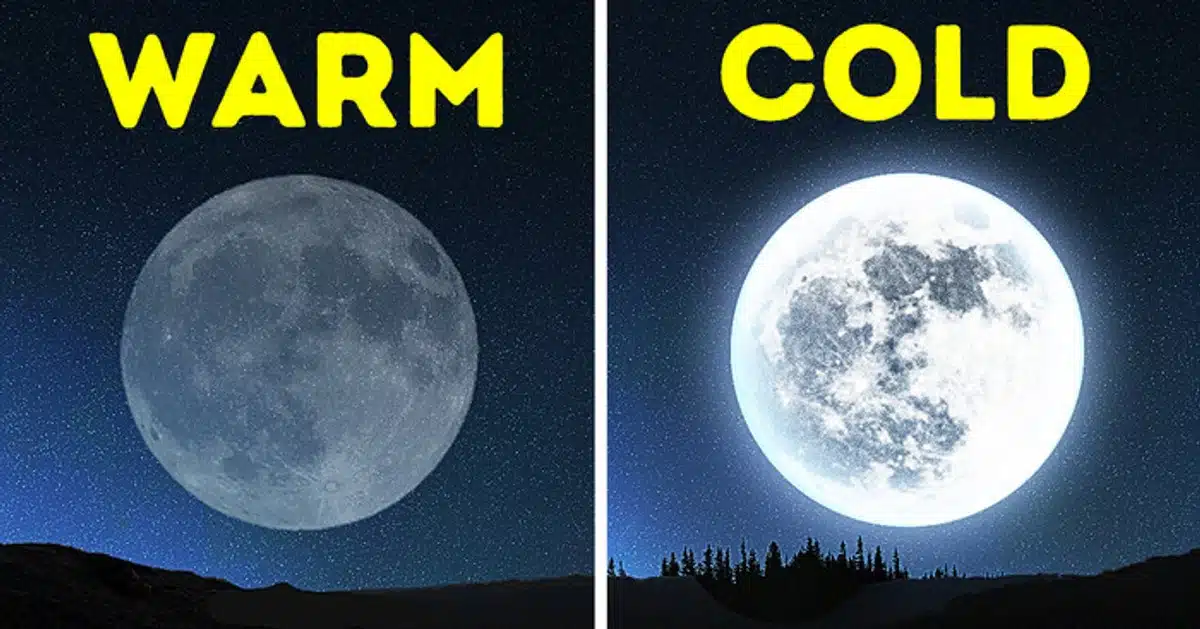
- The Moon and Clouds: A shining moon in a clear sky signals a frosty morning ahead—“clear moon, frost soon,” as the old saying goes. High, white clouds promise sunny days, but when they darken and sink lower, you’d better find your umbrella. Ragged-looking clouds? That’s a sure sign of approaching rain.
- The Ozarks’ Persimmon Prophecy: If you slice a persimmon seed and see a spoon shape inside, prepare for snow; a fork means mild weather, while a knife suggests wind and ice. There’s logic there: American persimmons ripen in early fall, making them a handy tool for winter guesswork.
- Apples, Walnuts, and Pinecones: If apple trees are heavy with fruit, expect a harsh winter—same with walnut, hickory, and oak trees developing thicker shells. Pinecones open up when the air is warm and dry to spread seeds, but snap shut if the weather turns cold or damp.
Modern Meteorology—And Why Old Myths Still Matter
Despite the technology at our fingertips, weather prediction remains tricky. Computers have been crunching the numbers since the 1950s, but wind, humidity, pressure, and clouds make up just part of the complicated forecast puzzle—and even the best apps don’t always nail the long range. Maybe that’s why the tradition of onion reading in Urbania, while mostly symbolic now, still makes sense. At least you get soup at the end!
Next time the forecast calls for uncertainty, take a look at your garden, your backyard critters, or even your kitchen counter. Mother Nature just might be dropping a few hints, one onion wedge at a time.