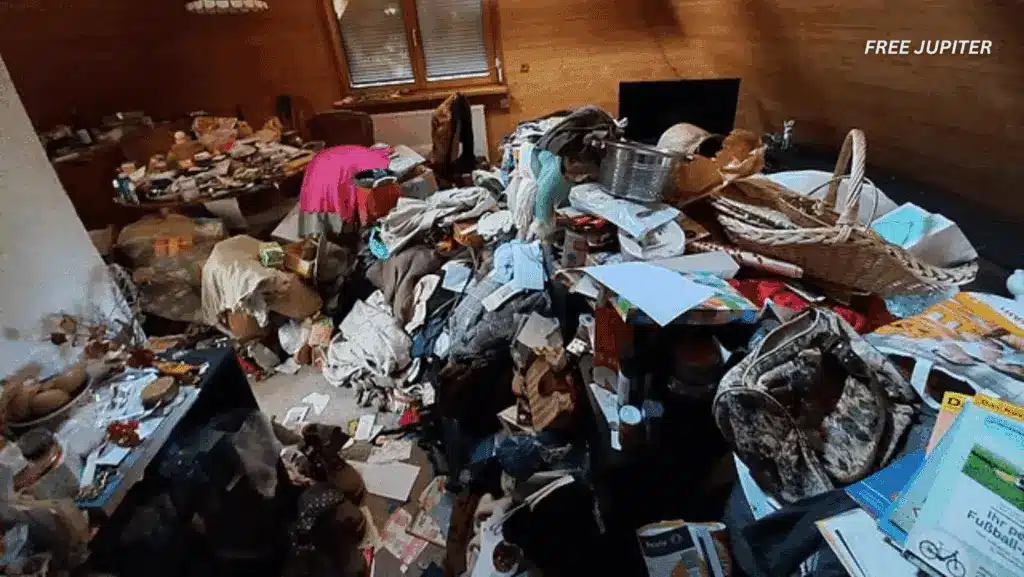
When you hear the word “hoarding,” you probably picture a fortress of forgotten pizza boxes, a mountain of magazines, and hallways that require mountaineering gear to traverse. TV and documentaries love this version. But let’s be honest—these dramatic scenes are just the teaser trailer to the much more nuanced movie that is real-life hoarding. What’s really going on when someone simply cannot let go?
Beyond the Clutter: When Hoarding Really Begins
Most people assume hoarding creeps up out of nowhere during adulthood, but, plot twist—many of its roots snake back to childhood or early teenage years. Studies have found the earliest hints of hoarding often pop up between ages 11 and 15. That’s the age when you’re juggling school, social drama, and finding out if you’re more goth or grunge.
In one in-depth doctoral study, adults reflecting on their hoarding habits remembered how, as kids, they’d form tight bonds with their possessions. An ordinary marble or scruffy concert ticket wasn’t just “stuff”—it was a piece of an emotional jigsaw, a vessel of memory, or a badge of a specific phase. The idea of parting with their belongings wasn’t just annoying; it was genuinely distressing.
Some participants said their hoarding picked up steam at big life transitions: going to college, or stepping out into full adult responsibilities after graduation. One person traced his struggles right back to losing access to his student accounts—the sense of security vanished, and the urge to save increased.
It gets more interesting (and a bit heartbreaking): Many hoarders remembered their parents forcefully tossing out childhood treasures or urging them to let go of “junk.” While probably well-meaning, this can leave a lasting bruise. Research shows that battling the clutter without addressing the child’s emotional attachment might make things worse, not better.
The Emotional Roots: More Than Just Mess
So what makes hoarding so stubborn? At its heart is a unique emotional attachment to objects. Non-hoarders might get misty-eyed over a handful of souvenirs. For hoarders, emotional ties form with a dizzying range of things—old receipts, broken gadgets, expired coupons. Every item can mean something:
- An echo of a memory or a time in life
- A stand-in for security and stability
- The hope it’ll be useful “someday”—even if that someday never arrives
This is why tossing out “clutter” isn’t just a matter of cleaning up. It’s a deeply personal, occasionally agonizing act. To truly help, we have to understand how and why these attachments take root so early—and evolve over a lifetime.
But hoarding doesn’t follow a single script. For some, it shows up early, with no obvious spark. For others, it’s ignited by life’s curveballs: difficulty processing information, emotional neglect, trauma, or big changes like moving, losing someone important, or ending a relationship. These upheavals can make clinging to items feel like holding onto some control amidst chaos.
Why Seeking Help Isn’t Always Easy
Despite the reality that hoarding can slide from subtle habit into dangerous territory—think kitchens, bathrooms, or beds swamped by objects—many wait far too long to seek help. Part of the blame falls on media portrayals that paint hoarding as freakish or shameful. Stigma sets in. People hide, downplay, or don’t recognize their need for support.
There’s also the myth that only the most extreme cases “count.” But, as psychologists assert, hoarding is a spectrum. Not all clutter is catastrophic. The real issue is the impact:
- Does it disrupt daily life?
- Does it damage relationships or threaten safety?
To broaden our understanding, researchers developed the “struggling to manage” model. Instead of focusing solely on obsessive thoughts or behaviors, it considers life circumstances that crank up the difficulty of managing possessions. Moving house, health setbacks, or waves of stressful events can make tidying up feel insurmountable. The goal is to swap judgment for empathy—asking what’s making it hard for someone to let go, not why they’re “so messy.”
Support and Compassion: Keys to Change
The good news? Early, compassionate intervention works wonders. If kids showing hoarding signs are supported (not shamed or forced to purge their treasures), they can learn healthier ways to relate to objects. It’s the same for adults. Tackling the problem early prevents emotional pain, physical hazards, and social strife.
Support doesn’t always mean a therapist’s couch, though specialists trained in cognitive behavioral approaches can help greatly. Practical assistance, family understanding, educational programs, and friendly community resources also chip away at stigma. Organizations like Clouds End provide info, strategies, and a sense of solidarity for people feeling overwhelmed by their stuff.
Ultimately, hoarding isn’t about laziness or a love of chaos. It’s about what’s bubbling beneath: emotions, experiences, fears, and memories. To make real progress, we need to tune into the human stories camouflaged behind all that “clutter.”
If hoarding is a language, each object is a word, and every heap tells a story that deserves to be heard, not just carted off in a dumpster. By moving from shame to understanding and conversation, we can help people let go—not just of things, but also of the feeling that they’re alone with their struggle.